
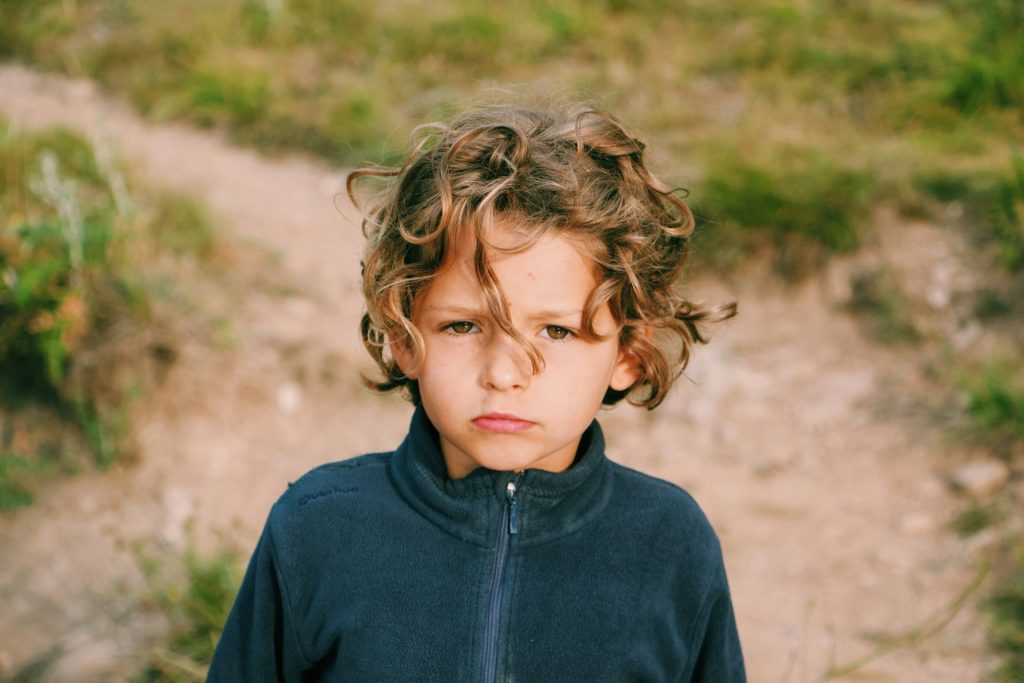
Children with ADHD often feel the world more intensely—joy is bigger, curiosity is brighter, and anger can feel like a sudden storm. For many families, ADHD anger becomes one of the most challenging daily experiences. When frustration rises quickly or emotional reactions seem disproportionate, parents may wonder why these “big emotions” happen and how to respond without escalating the moment.
At SELF4KIDS, we help families understand what’s behind these reactions and how to guide children toward healthier emotional regulation. This article explores the root causes of ADHD anger, what it looks like, and what you can do to support your child with confidence, patience, and compassion.
Contents
- 1 Understanding Why ADHD Anger Happens
- 2 Signs of ADHD Anger in Kids
- 3 How to Help a Child Cope With ADHD Anger
- 4 How to Respond When an ADHD Child Is Angry: Step-by-Step Guide for Parents
- 4.1 Step 1: Keep Yourself Calm First
- 4.2 Step 2: Check for Safety
- 4.3 Step 3: Say Less, Soothingly
- 4.4 Step 4: Guide Them to a Calm-Down Space
- 4.5 Step 5: Support Their Body to Calm Down
- 4.6 Step 6: Validate the Feeling (Not the Behavior)
- 4.7 Step 7: Talk About What Happened (When Calm)
- 4.8 Step 8: Practice a “Plan for Big Feelings”
- 4.9 Step 9: Praise Regulation, Not Just “Good Behavior”
- 4.10 Step 10: Reflect as a Parent (Quietly, Later)
- 5 When ADHD Anger Affects Family Life
- 6 Types of Anger in Kids
- 7 FAQ: ADHD Anger in Kids
- 8 Helping Kids Feel Safe in Their Emotions
Understanding Why ADHD Anger Happens
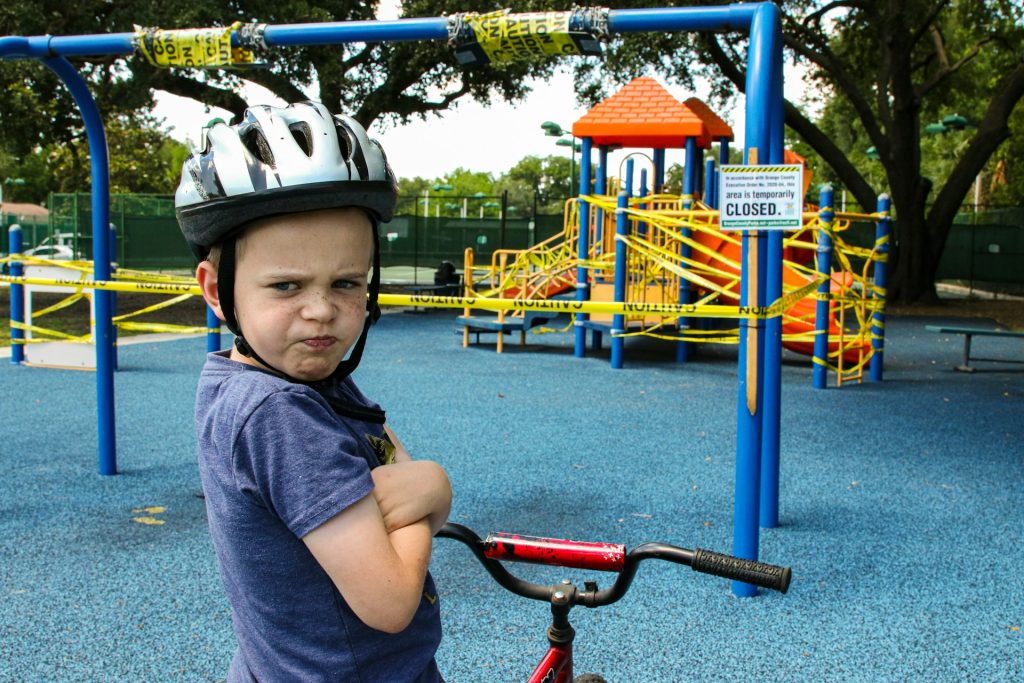
Many people assume anger is simply misbehavior, but for children with ADHD, anger is often an emotional overflow, not deliberate defiance. Key factors include:
Emotional Dysregulation
A child with ADHD may struggle to process emotions at the same pace they experience them. When something feels overwhelming, the reaction can be immediate and intense.
Impulsivity
ADHD impacts impulse control. A child may express irritation or anger before they have a chance to pause or think.
Sensory Overload
Noise, bright lights, busy rooms, or multiple instructions can overwhelm their nervous system, triggering anger or shutdown.
Frustration Tolerance Challenges
Tasks requiring focus—homework, chores, waiting in line—can feel harder for children with ADHD. When effort is high and reward feels far away, frustration builds quickly.
Feeling Misunderstood
Children with ADHD often hear “stop,” “focus,” “why can’t you just…” throughout their day. This ongoing sense of being corrected can lead to pent-up anger.
Signs of ADHD Anger in Kids
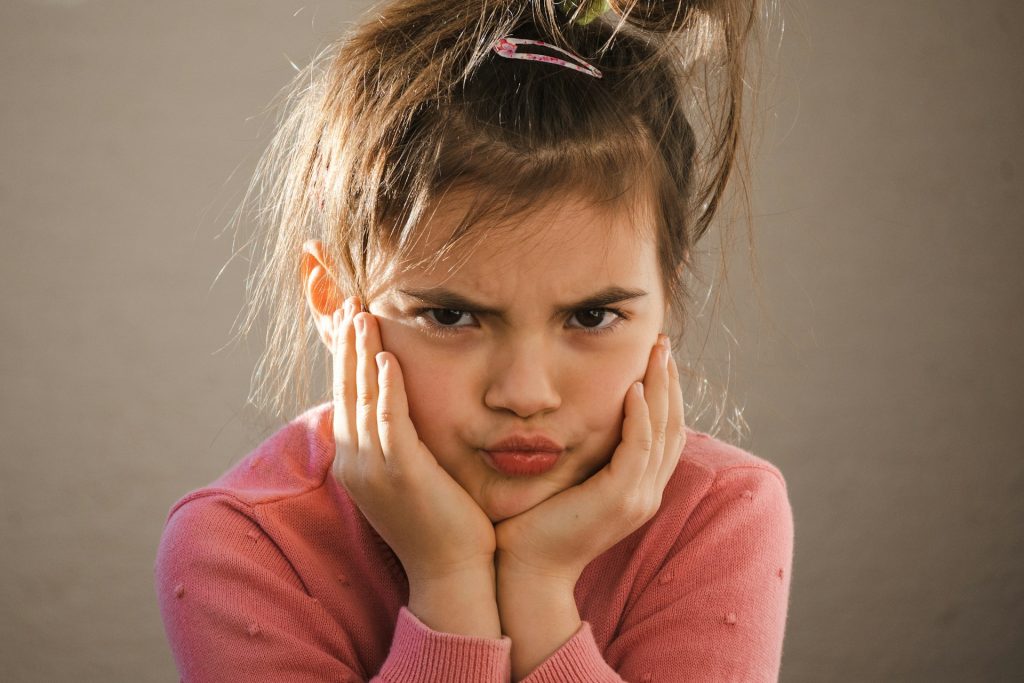
Children express anger in different ways—some loud, some quiet. Common signs include:
- Rapid emotional outbursts
- Yelling, crying, or throwing objects
- Physical tension or pacing
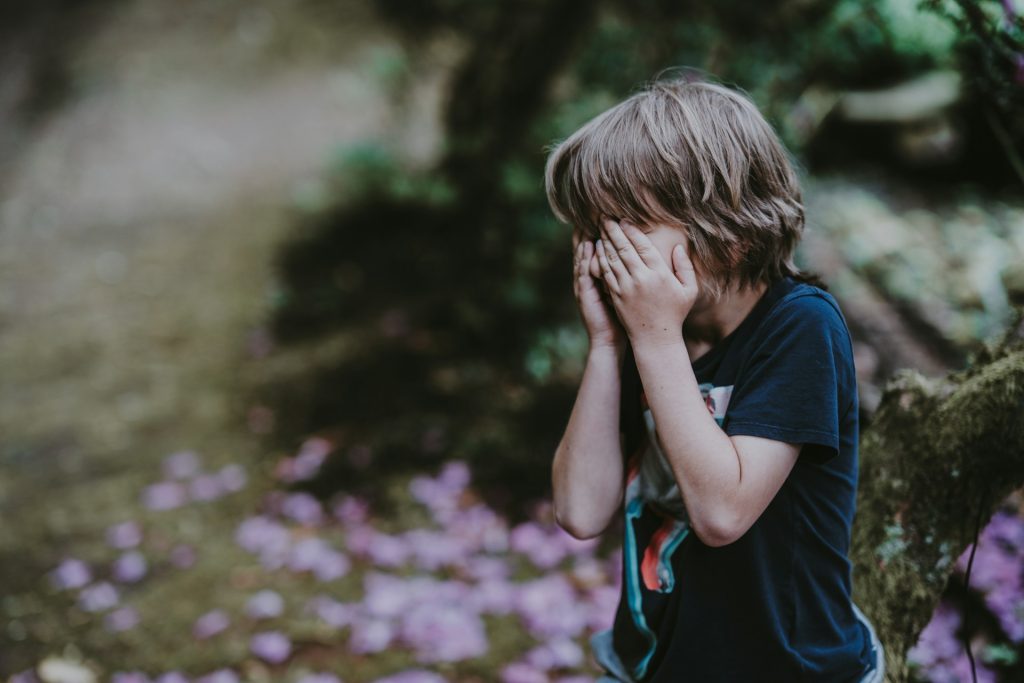
- Shutting down, hiding, or withdrawing
- Becoming argumentative or reactive
- Trouble calming down after a stressful trigger
If these patterns show up frequently, it may be related to ADHD anger rather than misbehavior.
How to Help a Child Cope With ADHD Anger
The goal isn’t to remove anger—it’s a normal human emotion—but to teach kids how to recognize, express, and manage it safely. Here are practical, child-friendly strategies.
Create a Calm-Down Plan
A structured plan helps your child feel prepared when big emotions rise. Include:
- A quiet “cozy corner”
- Sensory tools like stress balls or textured items
- A calming routine (breathing, drawing, stretching)
When used regularly, it becomes a signal of safety and control.
Teach Emotional Language
Kids with ADHD often struggle to name what they feel. Practice labeling emotions during calm moments:
- “Your body looks frustrated.”
- “I see anger—let’s talk about what happened.”
Emotional vocabulary reduces the intensity of the moment.
Use Visual Routines and Clear Expectations
Visual schedules, timers, and step-by-step directions help reduce confusion that may fuel anger. Kids feel safer when they know what’s coming next.
Practice Co-Regulation
Children learn to regulate through the adults around them. A calm parent helps soften the emotional wave.
Try:
- Lowering your voice
- Using slow breathing
- Kneeling to your child’s eye level
- Offering a supportive phrase like, “I’m here. We can work through this together.”
Help Them Identify Triggers
Common ADHD anger triggers include transitions, challenges, sensory overload, or peer conflict. Keeping a simple journal can help you track patterns.
Build Daily Regulation Habits
Activities that support brain and body balance reduce emotional spikes:
- Outdoor play
- Mindfulness and breathing techniques
- Regular sleep routines
- Limited screen time before bed
- Consistent nutrition
- Movement breaks during focus tasks
SELF4KIDS programs naturally incorporate these practices to help children regulate their emotions in nurturing, structured environments.

How to Respond When an ADHD Child Is Angry: Step-by-Step Guide for Parents
Step 1: Keep Yourself Calm First
Your calm is the “anchor” for their storm.
- Take one slow breath in and out before you speak.
- Lower your voice and slow your movements.
- Remind yourself: “This is ADHD anger, not a bad child.”
Why it helps: Kids with ADHD borrow emotional regulation from the adults around them. If you escalate, they escalate.
Step 2: Check for Safety
Before talking, make sure everyone is safe.
- Gently move objects that can be thrown.
- If needed, guide siblings or others to another room.
- If the child is hitting or kicking, calmly say: “I won’t let you hurt me. I’m going to step back, but I’m here.”
Focus only on safety, not lecturing.
Step 3: Say Less, Soothingly
When ADHD anger is high, language processing drops.
- Use short, simple sentences: “You’re really upset.”
“I’m here.”
“We’ll figure it out.” - Avoid questions and long explanations in the heat of the moment.
- Avoid criticism or labels like “dramatic,” “rude,” or “too much.”
Step 4: Guide Them to a Calm-Down Space
Not a punishment corner — a regulation corner.
- Invite, don’t force if possible: “Let’s go to your calm corner so your body can feel better.”
- Have ready:
- Soft pillow/blanket
- Fidget toy or squishy
- Paper and crayons
- Noise-reducing headphones (if helpful)
Let them choose what helps. You are there as a calm presence.
Step 5: Support Their Body to Calm Down
Regulation comes through the body first, words second.
You can gently suggest:
- Breathing activities “Smell the flower… blow out the candle.”
- Movement
- Wall push-ups
- Jumping in place
- A tight hug if they want it
- Sensory support
- Wrap in a blanket
- Give a cool drink of water
- Offer a soft toy or textured item
Let them lead. You’re just offering tools.
Step 6: Validate the Feeling (Not the Behavior)
When they are calmer but still emotional, name and validate.
- “You were really angry when that happened.”
- “It makes sense that you felt frustrated. It was hard.”
Correct gently, not harshly:
- “It’s okay to feel angry. It’s not okay to hit. Next time, we can use our words or go to the calm corner.”
This separates them from their behavior:
“You are good. The behavior needs help.”
Step 7: Talk About What Happened (When Calm)
Only after they are truly calm and regulated.
Use 3 short parts:
- What happened “You got angry when it was time to stop the game.”
- What the problem was “You didn’t want to stop, and that felt really unfair.”
- What you can both do next time “Next time, when you feel this angry, we can take a break and use your calm corner.”
Ask simple reflection:
- “What could help your anger next time?”
Give choices: - “Breathing, fidget toy, or quiet corner?”
Step 8: Practice a “Plan for Big Feelings”
Turn ADHD anger into a skill-building opportunity.
Create a small plan together:
- “When I feel angry, I will:
- Stop and notice my body.
- Go to my calm space.
- Use my tool (squeeze, breathing, drawing).
- Then talk to Mom/Dad.”
Write it out or draw it with pictures and hang it where they can see it.
Step 9: Praise Regulation, Not Just “Good Behavior”
Catch them when they handle their feelings even a little better.
- “I saw you walk away when you got mad. That was strong.”
- “You used your calm corner instead of yelling. That’s amazing self-control.”
For kids with ADHD, noticing tiny wins builds confidence + motivation to try again next time.
Step 10: Reflect as a Parent (Quietly, Later)
After the storm, give yourself compassion too.
Ask yourself:
- What was the trigger? (tired, hungry, overwhelmed, transition?)
- Can I adjust routines, transitions, or expectations next time?
- Do we need more tools (visual schedule, timer, extra breaks)?
ADHD anger isn’t a sign you’re a bad parent or they’re a bad child. It’s a sign the current tools aren’t enough yet — and that can change.
When ADHD Anger Affects Family Life
If anger episodes begin to harm family dynamics, school performance, or social interactions, additional support may be helpful. Therapists, occupational therapists, or specialized early childhood programs can provide tools that go beyond home strategies.
At SELF4KIDS, our instructors work with children on emotional awareness, social skills, and coping strategies through play-based activities designed for developing minds.
Types of Anger in Kids
| Type of Anger | What It Looks Like | Common Triggers | How It Relates to ADHD Anger |
|---|---|---|---|
| Impulsive Anger | Sudden outbursts, yelling, hitting, crying without warning | Frustration, being told “no,” transitions | ADHD makes impulse control harder, causing fast emotional reactions |
| Overwhelm Anger | Shutting down, hiding, crying, sensory overload | Loud environments, crowded spaces, too many instructions | Kids with ADHD often become overstimulated, leading to intense anger or meltdown |
| Frustration Anger | Arguing, giving up quickly, throwing or rejecting tasks | Homework, chores, difficult tasks, delayed rewards | Low frustration tolerance is common in ADHD, making tasks feel “too hard” |
| Defensive Anger | Talking back, strong reactions, blaming others | Being criticized, feeling misunderstood, peer conflict | Kids with ADHD hear many corrections daily, leading to defensive emotional responses |
| Explosive Anger | Big emotional outbursts, long episodes, severe reactions | Major transitions, denied requests, emotional build-up | Emotional regulation challenges make these episodes more frequent |
| Internalized Anger | Quiet withdrawal, self-blame, sadness, avoidance | Feeling left out, repeated failures, social conflict | Many ADHD kids internalize anger when they feel different or misunderstood |
| Rebound Anger | Irritation at the end of school/day, quick snapping | Fatigue, mental overload, overstimulation | ADHD brains work hard to stay regulated all day, leading to “end-of-day crashes” |
| Trigger-Based Anger | Intense anger tied to specific situations | Losing games, sharing, unexpected changes | Kids with ADHD often struggle with transitions and flexible thinking |
FAQ: ADHD Anger in Kids
1. Why do kids with ADHD get angry so quickly?
Children with ADHD often struggle with emotional regulation, meaning feelings rise faster and stronger than they can manage. Impulsivity, sensory overload, frustration, and difficulty shifting attention can all trigger sudden anger. It’s not intentional misbehavior—it’s the brain reacting faster than the child can control.
2. Is ADHD anger the same as a tantrum?
Not always. Tantrums usually stop when the child gets what they want, while ADHD anger is driven by overstimulation, frustration, or emotional overwhelm. Kids with ADHD may genuinely feel out of control during these episodes and need support, not punishment.
3. What should I say to my child during an anger outburst?
Use short, calming phrases such as:
- “You’re upset. I’m here.”
- “Your feelings are big. Let’s take a break.”
Avoid long explanations or threats—the brain can’t process them during anger.
4. How can I help prevent anger outbursts before they happen?
Predictability, structure, and sensory regulation help reduce ADHD anger. Try:
- Visual routines
- Timers for transitions
- Movement breaks
- Clear, simple instructions
- Regular sleep and nutrition
Understanding your child’s triggers is key to preventing emotional overload.
5. When should I worry about my child’s anger and seek professional help?
Seek support if anger episodes are:
- Happening daily
- Lasting a long time
- Affecting school or friendships
- Leading to aggression or self-harm
- Causing fear, shame, or significant family stress
Therapists, pediatric behavioral specialists, or structured programs like SELF4KIDS can help children learn emotional regulation skills in a supportive environment.
Helping Kids Feel Safe in Their Emotions
Children with ADHD are not “angry kids”—they’re kids learning how to navigate a world that often moves too fast for their brains and bodies. When parents approach ADHD anger with understanding instead of blame, children feel more secure and more capable of managing their emotions.
Every child deserves tools for self-expression, connection, and confidence. And with patience, structure, and supportive environments like SELF4KIDS, children can learn to turn big emotions into opportunities for growth.